
News
Bringing Your Pet Home After Surgery: A Recovery Room Checklist
July 26, 2026
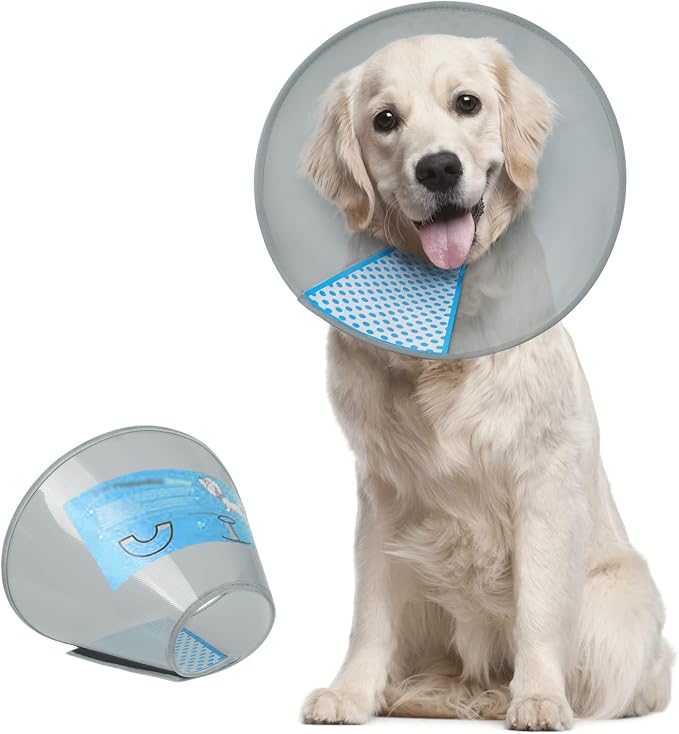
The hardest part of a pet's recovery usually isn't the procedure — it's the two weeks after, at home, when your pet feels well enough to do things they shouldn't. Setting up before pickup makes that stretch far easier.
Your veterinarian's discharge instructions override everything below. This is a setup checklist, not medical advice.
Prepare one small room
Recovery means restricted movement, and most homes offer far too much of it. Pick one room you can close off: no stairs, no couch to jump on, no bed to leap off. A crate or pen works well for dogs who tolerate one.
The goal isn't punishment — it's removing the option to do the one thing that pops a suture.
Fix the footing
Hardwood and tile are slick, and a pet who's groggy or favoring a limb will scramble. Lay down rugs or mats along the paths they'll actually use: bed to water, bed to door.
Sort out the cone before you need it
The plastic cone from the clinic works, but many pets tolerate alternatives better — soft collars, inflatable collars, or recovery suits that cover the incision instead of blocking the head. Ask your vet which style is appropriate for the specific incision site; a suit that's fine for an abdominal incision may be wrong for a paw.
Whatever you choose, it stays on. The cone comes off when the vet says so — not when your pet gives you a look. Licking is the most common cause of a recovery going sideways.
Set up before pickup, not after
Water within reach. Bedding that's easy to wash. Food as directed — appetite is often reduced for the first day, which is usually expected. Have any prescribed medication organized with a written schedule; it's easy to lose track of doses in a stressful week.
Watch the incision daily
Look at it once a day so you know what normal looks like for your pet. Call your veterinarian if you see swelling that's increasing, discharge, an opening in the incision, or if your pet seems to be in pain that isn't controlled. Lethargy that deepens rather than improves is worth a call too.
The part owners underestimate
Around day four or five, most pets feel noticeably better — and that's when the injuries happen. Confinement usually needs to last the full duration your vet specified, not until your pet seems fine. Recovering pets are bad judges of their own sutures.
Browse the Recovery & Care collection for collars, suits, and recovery supplies.