
News
How to Choose Dog Treats: A Practical Guide for Everyday Rewards
July 26, 2026
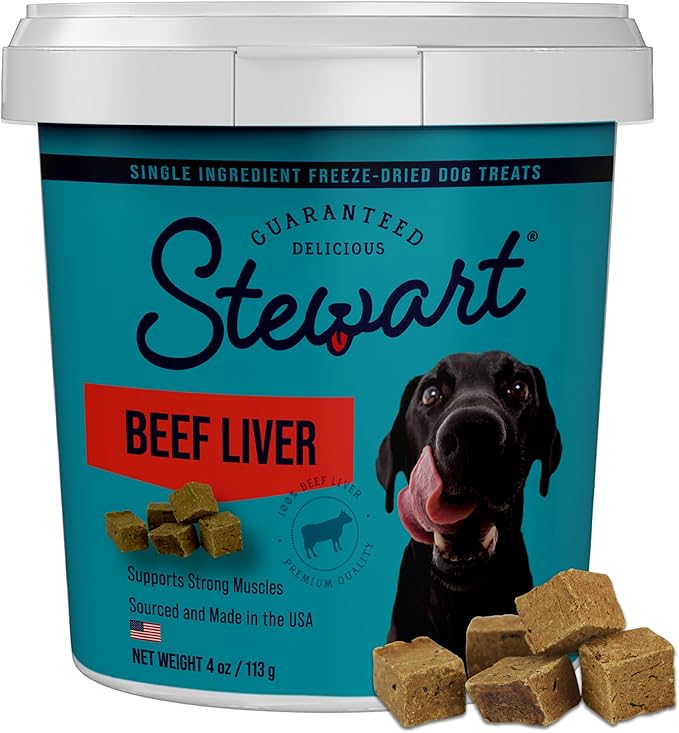
Walk down any pet aisle and the treat section is overwhelming. Soft chews, crunchy biscuits, dental sticks, freeze-dried singles — they all look interchangeable, but they aren't. Picking well comes down to one question: what job is this treat doing?
Match the treat to the job
Most treats fall into three practical buckets:
- Training treats. Small, soft, and fast to eat. During a training session your dog may earn dozens of rewards, so each one should be tiny — think pea-sized. Soft treats work better than crunchy ones here because they're swallowed quickly and keep the session moving.
- Dental chews. Designed to be worked on, not gulped. The chewing action is the point, so these are larger and firmer. They're a supplement to brushing, not a replacement for it.
- Everyday snacks. The "good boy" treat at the end of a walk. These are where calories quietly add up.
The 10% rule
A widely used guideline among veterinarians: treats should make up no more than about 10% of your dog's daily calories. The other 90% comes from balanced meals. This matters more than most owners expect — a few "small" treats a day can push a 20-pound dog well past that line.
If you're training heavily, don't add treats on top of meals. Take the training treats out of the day's food budget instead.
Read the first five ingredients
Ingredients are listed by weight, so the first few tell you most of the story. Look for a named protein — "chicken," "salmon," "beef" — rather than vague catch-alls. Shorter lists are generally easier to troubleshoot if your dog turns out to be sensitive to something.
If your dog has a known food sensitivity, single-ingredient treats make elimination much simpler: you always know exactly what went in.
Size matters more than flavor
A treat sized for a Labrador is a choking risk for a Chihuahua, and a treat sized for a Chihuahua is barely a crumb to a Labrador. Most owners over-index on flavor and under-index on size. Buy for your dog's mouth first.
A note on supplements
Chews marketed for joints, calm, or digestion sit in a different category from treats. They aren't medicine, and claims in this space vary widely in quality. If your dog has a health concern, that conversation belongs with your veterinarian first — not with a label.
The short version
Pick training treats small and soft. Keep dental chews firm and appropriately sized. Watch the 10% line. Read the first five ingredients. Everything after that is preference.
Mavilo Pet Co. stocks treats and chews for dogs and cats across sizes and textures. Browse the Treats & Chews collection to compare options.